
CuNi10 wire is a copper-nickel alloy typically composed of 90% copper and 10% nickel, designed for low electrical resistance applications. The high copper content ensures excellent electrical and thermal conductivity, while the nickel addition improves mechanical strength, corrosion resistance, and stability under varying temperatures. CuNi10 wire is commonly used in sensors, precision electrical devices, and industrial monitoring systems, where both low resistance and durability are critical. This alloy performs reliably in marine, industrial, and electronic environments, providing a balance of conductivity, stability, and corrosion resistance for high-performance applications.
Applications
Electrical sensors and measurement devices
Thermocouple and strain gauge wiring
Industrial instrumentation and control systems
Marine and offshore electrical components
Aerospace and energy monitoring systems
Industry Trend
The demand for high-precision sensors and instrumentation is rising across industries like aerospace, marine engineering, industrial automation, and energy monitoring. CuNi10 wire is gaining popularity due to its low resistance, corrosion resistance, and mechanical stability, making it ideal for accurate measurement devices. As industries pursue smaller, more efficient, and more reliable sensor technologies, CuNi10 wire is increasingly recognized as a preferred material. Its combination of low resistivity and durability meets the requirements of modern precision electronics and industrial instrumentation.
Properties Material | Resistivity 200c μΩ.m | Max working temperature (℃) | Tensile strength (Mpa) | Melting point (℃) | Density (g/cm3) | TCR *10-6/℃ (20-600℃) | EMF vs Cu (μV/℃) (0-100℃) |
CuNi1 | 0.03 | 200 | 210 | 1085 | 8.9 | <100 | -8 |
CuNi2 | 0.05 | 200 | 220 | 1090 | 8.9 | <120 | -12 |
CuNi6 | 0.1 | 220 | 250 | 1095 | 8.9 | <60 | -18 |
CuNi8 | 0.12 | 250 | 270 | 1097 | 8.9 | <57 | -22 |
CuNi10 | 0.15 | 250 | 290 | 1100 | 8.9 | <50 | -25 |
CuNi14 | 0.2 | 300 | 310 | 1115 | 8.9 | <30 | -28 |
CuNi19 | 0.25 | 300 | 340 | 1135 | 8.9 | <25 | -32 |
CuNi23 | 0.3 | 300 | 350 | 1150 | 8.9 | <16 | -34 |
CuNi30 | 0.35 | 350 | 400 | 1170 | 8.9 | <10 | -37 |
CuNi34 | 0.4 | 350 | 400 | 1180 | 8.9 | 0 | -39 |
CuNi44 | 0.5 | 400 | 420 | 1200 | 8.9 | <-6 | -43 |
DZX offers high-quality CuNi10 wire, engineered for low resistance, high-precision sensor and instrumentation applications. Our wires provide excellent electrical conductivity, mechanical reliability, and corrosion resistance, ensuring consistent performance across a range of industrial and marine environments.
Comparison Table
| Property | CuNi10 Wire | CuNi44 Wire | Pure Copper Wire |
|---|
| Composition (Cu/Ni) | 90/10 | 56/44 | 100/0 |
| Density (g/cm³) | 8.9 | 8.9 | 8.96 |
| Electrical Resistivity (Ω·mm²/m) | 0.50 | 0.95 | 0.017 |
| Tensile Strength (MPa) | 340–380 | 450–500 | 210–250 |
| Yield Strength (MPa) | 105–130 | 150–200 | 70–100 |
| Elongation (%) | 30 | 25 | 40 |
| Corrosion Resistance | Excellent | Superior | Poor in seawater |
| Applications | Sensors, marine wiring, electrical devices | Precision resistors, lab equipment | General wiring |
Applications and Performance
In sensor manufacturing, CuNi10 wire is a preferred choice due to its low electrical resistance, enabling precise measurement and signal transmission. It is widely used in thermocouples, strain gauges, and instrumentation wiring where accuracy and durability are essential. The alloy’s corrosion resistance ensures long-lasting performance in marine and industrial settings, while its thermal stability allows it to function reliably under temperature fluctuations common in sensor environments.
Industrial Relevance
Industries such as aerospace, energy monitoring, and industrial automation increasingly rely on CuNi10 wire for critical sensor systems. Its combination of low resistivity, mechanical strength, and corrosion resistance makes it ideal for wiring in complex, high-precision equipment. Engineers appreciate CuNi10 wire for reducing maintenance needs and ensuring continuous, accurate performance in demanding applications.
Industry Trends
The growing demand for compact, high-performance sensors and instrumentation drives the adoption of CuNi10 wire. Modern devices require materials with predictable electrical properties, thermal stability, and long-term reliability, all of which CuNi10 delivers. With increasing automation and precision measurement needs across industries, CuNi10 wire has become a go-to solution for engineers and designers.
DZX Advantage
At DZX, each CuNi10 wire is manufactured to strict quality standards, meeting ISO, ASTM, and other international specifications. Our production ensures uniform alloy composition, diameter consistency, and high-quality surface finishes, resulting in reliable performance across all sensor applications.
We provide customized wire diameters and lengths, allowing engineers to select the exact material needed for their designs. Our technical team assists clients in choosing the right wire for signal transmission, instrumentation accuracy, and environmental durability, ensuring every application operates at peak efficiency.
Sustainability and Reliability
CuNi10 wire from DZX is fully recyclable and designed for long-term service, reducing replacement costs and minimizing environmental impact. Its mechanical durability, thermal stability, and low electrical resistance guarantee accurate and reliable sensor performance over the life of the equipment.
Choosing DZX CuNi10 wire means selecting a high-conductivity, reliable, and long-lasting alloy for modern sensor, instrumentation, and electrical applications. With precision manufacturing, rigorous quality control, and expert support, DZX continues to be a trusted supplier of copper-nickel alloys worldwide.


About Us:
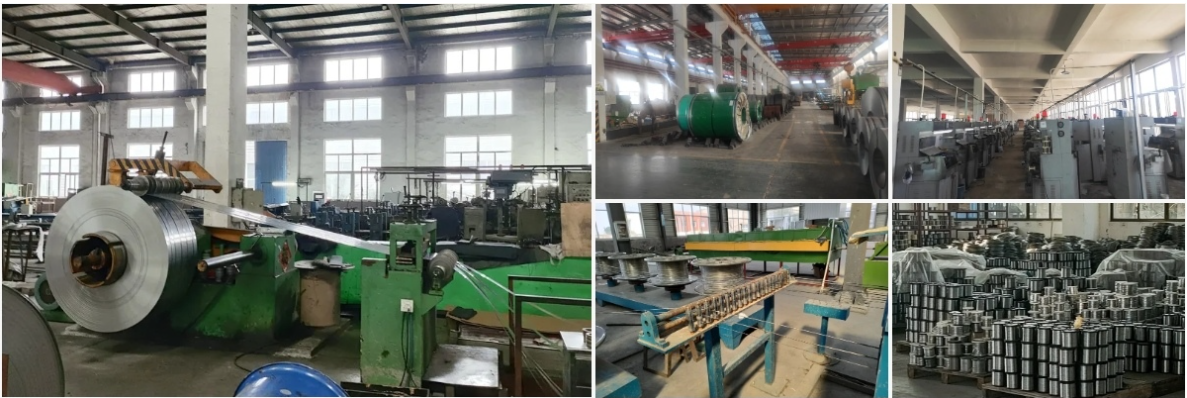
Our 12,000㎡ factory is equipped with complete capabilities for research, production, testing, and packaging. We strictly adhere to ISO 9001 standards in our production processes, with an annual output of 1,200 tons. This ensures that we meet both quantity and quality demands. Furthermore, all products undergo rigorous simulated environment testing including high temperature, high pressure, and corrosion tests before being dispatched, ensuring they meet customer specifications. For all our clients, we offer timely and multilingual after-sales support and technical consulting, helping you resolve any issues swiftly and efficiently.
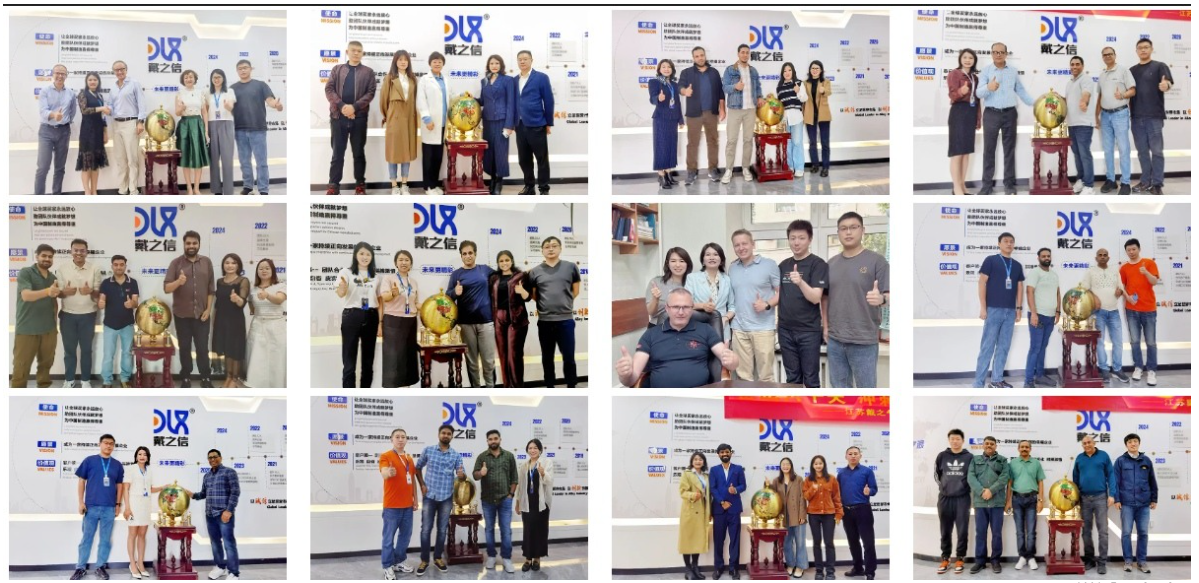
Client Visits
Building Stronger Partnerships
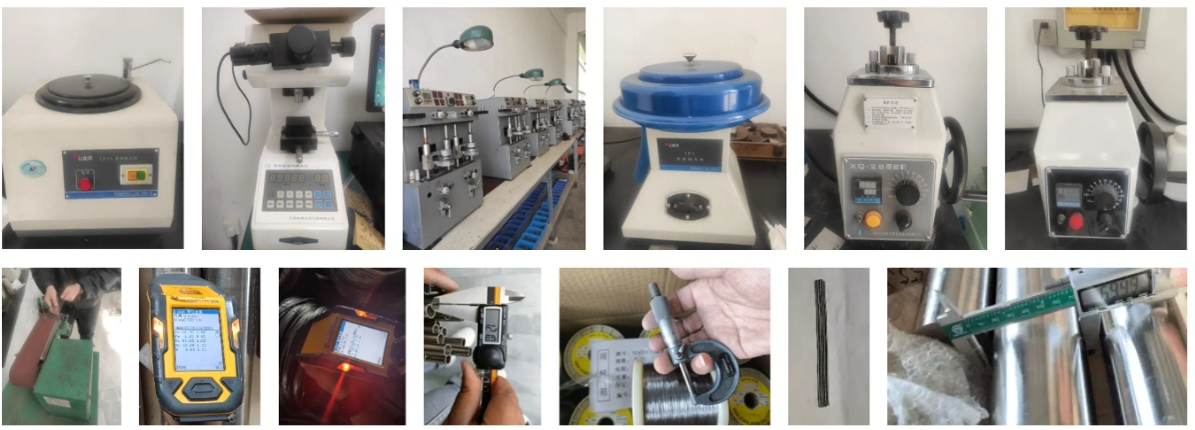
We support all kinds of testing:

Q1: What is the chemical composition of CuNi10 wire?
A1: CuNi10 wire consists of approximately 90% copper and 10% nickel, providing low resistivity and corrosion resistance.
Q2: Why is CuNi10 suitable for sensor applications?
A2: Its low electrical resistance ensures precise signal transmission, while its corrosion resistance and thermal stability ensure long-term reliability.
Q3: Can CuNi10 wire be used in marine environments?
A3: Yes, the nickel content enhances corrosion resistance, making it suitable for seawater and humid conditions.
Q4: What temperature range can CuNi10 wire operate in?
A4: CuNi10 can withstand temperatures up to 300–350°C, suitable for most sensor and instrumentation applications.
Q5: Is CuNi10 wire easy to work with?
A5: Yes, it is flexible and can be easily cut, bent, or coiled for sensor and wiring applications without losing integrity.
Q6: How does CuNi10 compare to CuNi44 wire?
A6: CuNi10 has lower resistance and higher conductivity, ideal for signal transmission, while CuNi44 is used where higher resistivity and stability are required.
Q7: Which industries use CuNi10 wire the most?
A7: Aerospace, marine, industrial automation, instrumentation, and energy monitoring industries benefit the most.
Q8: Are CuNi10 wires compliant with international standards?
A8: Yes, DZX CuNi10 wire meets ISO, ASTM, and other international specifications for electrical and sensor applications.


